

EA used AI to bring back the voice of a commentator who died in 2023
John Motson, the BBC’s famous soccer commentator, died in 2023 at 77, and now he’s calling matches again. On Thursday, EA added his voice to its soccer game EA Sports FC 27 as an optional commentator, using a mix of lines he actually recorded and new ones made by AI trained on those recordings.
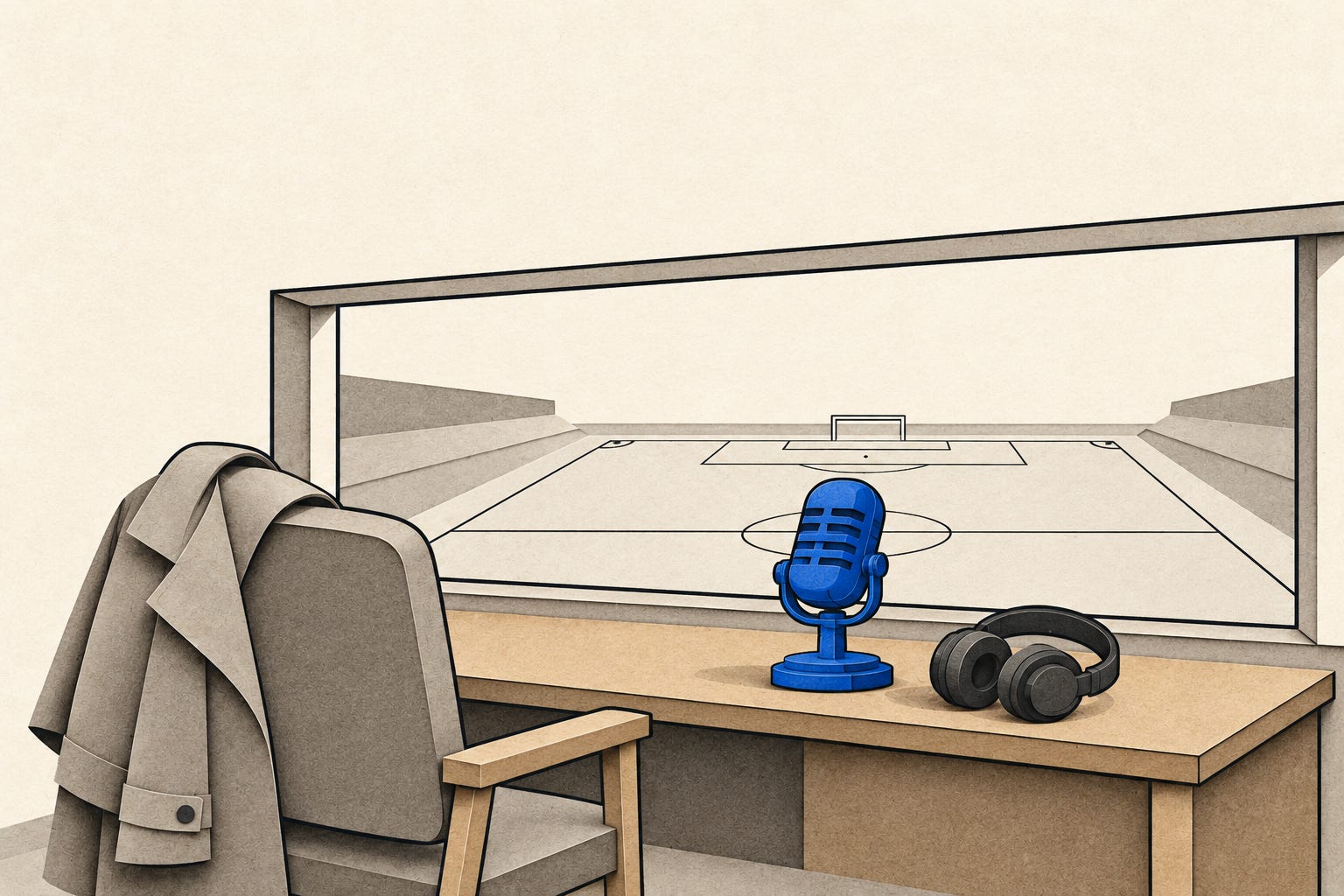
Motson was the voice of EA’s soccer games from 1996 to 2006, so the studio had almost ten years of his recordings. That archive is what made this possible, and it’s also why EA says it needed AI: he never called a match involving today’s players, so his old lines couldn’t cover them.
His family agreed to it, and EA paid them an undisclosed sum, the BBC reported. His son Fred said his father “adored being the voice of the game” and called it a touching tribute. Mat Prior, a senior design director on the game, told the BBC that EA wouldn’t have gone ahead without the family fully on board, and that there are no plans to replace commentators with AI.
Not everyone is comfortable with it. On the game’s subreddit, some players called it shameful and disrespectful, while others were excited to hear him again. Peter Caulfield, who founded the voice-rights group Save Our Voices Now, told the BBC that AI copies of a voice shouldn’t be allowed unless the person agreed to it, and that being family “shouldn’t automatically give you that right.”
Other studios have gone the other way. The makers of the game Darkest Dungeon have said they will never recreate the voice of their narrator, Wayne June, who died in 2025, even though he had given them permission. In Japan, an actors’ union has proposed banning AI copies of dead actors’ voices unless they agreed before they died.
Neuralink can now run the trial that could get its brain implant approved
Neuralink, Elon Musk’s brain implant company, said on Wednesday that the FDA has approved what it calls the first pivotal trial of an implanted brain-computer interface in the US. A pivotal trial is the study meant to show regulators that a medical device is safe and actually works, and this one is for people with severe paralysis caused by ALS, a disease that destroys the nerves that control movement.
The implant sits in the part of the brain that controls movement and picks up activity there through threads thinner than a human hair, which a robot places during surgery. When someone imagines moving their hand, Neuralink’s software, calibrated to that person, turns those brain signals into cursor movements and clicks, so they can use a computer without moving. Most people go home about a day after surgery, the company says.
More than 30 people in the US, Canada and the UK already have one through earlier, smaller studies. Neuralink says they’ve used it to message family, take classes, make art and play video games. The new trial is meant to show whether it really makes people more independent day to day, and it will keep tracking safety over the long term at several sites.
It’s still an experimental device, and approval isn’t guaranteed. Neuralink’s announcement doesn’t say how many people the trial will include or how long it will run. Enrollment is open, and people with ALS can join a patient registry to see whether they qualify.
Australia will let people sue social media and chatbot companies over harm
Australia’s parliament passed a law on Wednesday that makes tech companies responsible for finding and reducing harms they can see coming. If a company falls short of that duty and its failure played a real part in someone getting hurt, that person will be able to sue. The law covers social media, messaging apps, games, search engines and app stores, and it also covers AI chatbots. Any service that uses the internet to generate material with AI is in scope, according to the law firm Lander & Rogers. Australia already keeps kids under 16 off social media, and this law covers users of every age.
The idea is to make companies look for risks before anything goes wrong, instead of waiting for the regulator to step in afterward. Services will have to assess their risks at least once a year, including features designed to keep people hooked, like endless scrolling and autoplay. “If you build it, you are responsible for its risks,” Communications Minister Anika Wells said. Fines can reach A$109.2 million or 5% of a company’s worldwide revenue, whichever is higher. The US ambassador to Australia, David Brat, argued that loosely defined harms will push platforms to censor lawful speech.
One line was written with chatbots in mind. The law lists material or conduct that “simulates emotional intimacy” with a child and encourages the child to depend on it instead of on people as harmful to children, so companies have to protect kids from it. Lander & Rogers reads that as aimed at AI companion apps, the kind that act as a friend or partner.
None of it happens right away. The duty and the right to sue start a year after the law gets royal assent, its final formal step, which puts them in late 2027. Wells expects lawsuits to be “fairly rare,” and people who sue will have to show the company’s failure played a real part in the harm.
Know someone who’d have an opinion about Motson’s voice coming back? Forward this to them. They can sign up for free and get three AI stories like these every morning.