

Hidden fake passwords showed who was reading messages sent to AI
If an app sends your words to an AI model, they can pass through several companies, and some of them don't keep your words private. That's the finding of a five-month test published Thursday by the security company Dragos. Its researchers sent about two million messages to AI services, each hiding a fake password, account key or secret link that existed nowhere else, so any use of one showed where it leaked.
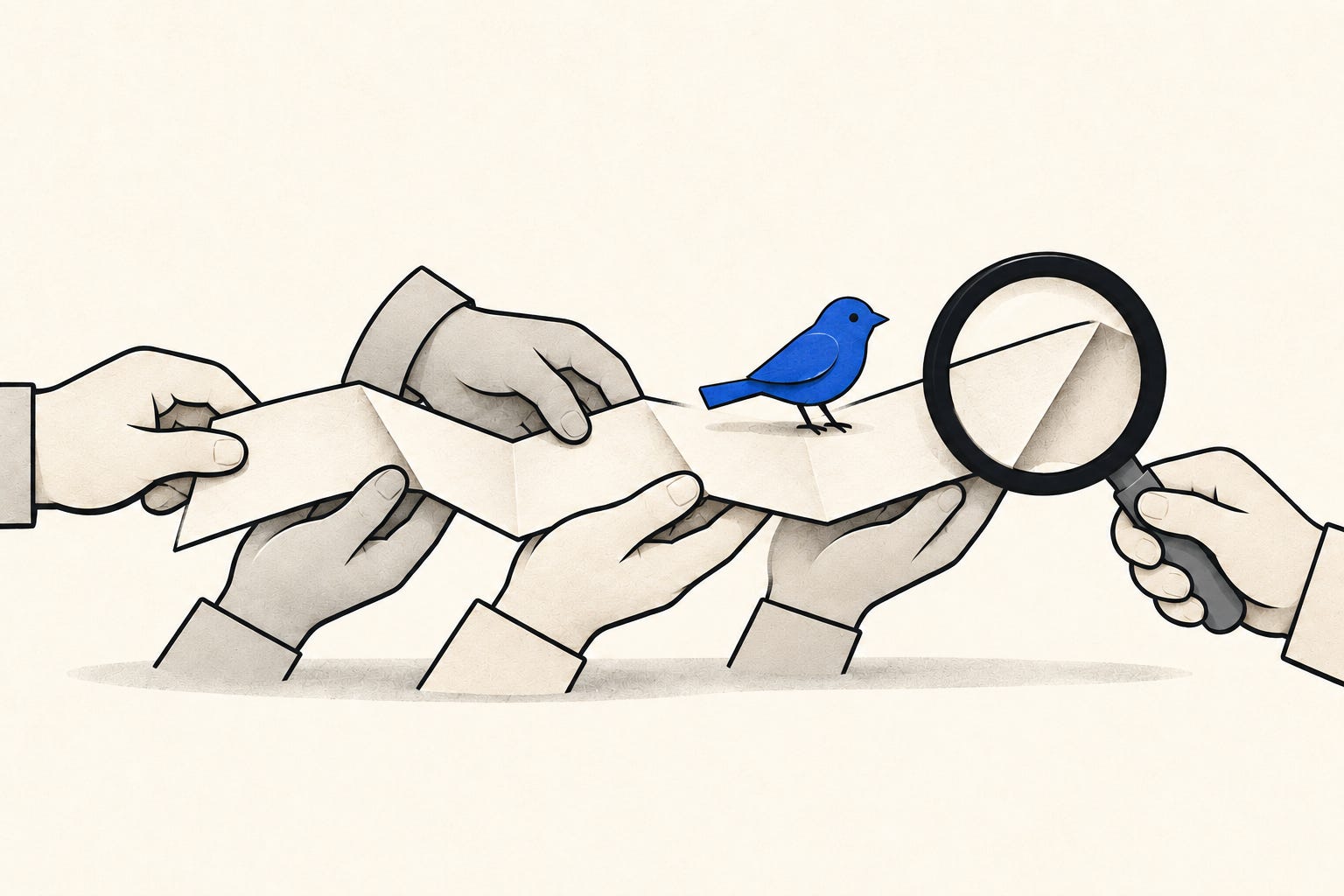
Attackers had broken into at least three companies that run AI models for other businesses, and none knew until Dragos told them. Some resellers offering cheap access to AI models read messages through their ordinary logs. One Chinese AI lab opened the secret links in about two-thirds of the messages marked not to be kept, and messages sent to US companies that resell its models were opened the same way.
Dragos didn't name the companies, and it didn't say that any popular chat app was among them. For sensitive work, it advises going straight to a major AI provider instead of a cheap middleman, because a privacy setting only binds the first company that receives the message.
Google's Nest speakers will lose Google Assistant in 2027 and get Gemini instead
Google said Friday that Google Assistant will stop working on its smart speakers and smart displays on August 2, 2027. From then on, those devices will only answer to Gemini for Home, Google's newer AI assistant. Google says Gemini understands ordinary speech, including pauses and changing your mind halfway through a sentence, so you don't have to remember exact commands.
The switch is free, and Google says every device it supports today will keep working. If you'd rather not wait, you can turn on Gemini now in the Google Home app: tap your profile picture, open Home Settings and look for the "Set up Gemini for Home" banner. It isn't available everywhere yet, and Google says it will reach more countries over the coming months.
There's an earlier deadline too. On January 25, 2027, Google is shutting down the Nest app, the original app for Nest thermostats, cameras, doorbells and locks. Those devices, along with your schedules, settings and camera history, will move to the Google Home app on their own, and older Nest Aware camera subscriptions will switch to Google Home Premium. The one thing that won't move is any video clip you saved yourself on the Nest website. To keep those, go to home.nest.com before January 25 and use the Download All button.
Etsy sellers are closing their shops over new terms that let Etsy train AI on their work
Etsy's new terms of use, which take effect December 16, add a line saying Etsy and its "third party partners and vendors" can use what sellers post, like their listing photos and descriptions, to develop and train AI. The old terms had no line about AI, according to The New York Times, and some longtime sellers have decided to leave.
Kristen and Geoff Zephyrus, who sold home goods and stationery on Etsy for 13 years, deleted their shop. Illustrator Aaron Millard said he's deleting the one he ran for nearly a decade, saying sellers have no way to opt out. The terms refer to opt-out rights in Etsy's privacy policy without spelling them out. In Vancouver, Tsuki Matsuba is pulling her custom stationery and told CBC that AI was one of the main reasons she lost her job in animation.
Etsy says the line is narrower than it sounds. In a post to sellers this week, James Ossman, Etsy's vice president for customer operations, wrote that Etsy doesn't train AI models designed to copy sellers' work or replace their creativity, and that their work belongs to them. He said Etsy uses AI to translate listings, pick items for its ads and build tools that help sellers run their shops, and that outside partners get access for things like catching fraud and showing listings to shoppers off Etsy.
He also said Etsy should have done more to explain the change and would send sellers revised terms soon. Those haven't been published yet, so for now the wording sellers object to is still set to take effect on December 16, in the middle of the holiday shopping season.