

Which cells does a DNA change matter in?
Google DeepMind released AlphaGenome2 yesterday. The AI model predicts how a DNA change affects specific types of cells, like immune cells in the gut, rather than averaging across a whole tissue.
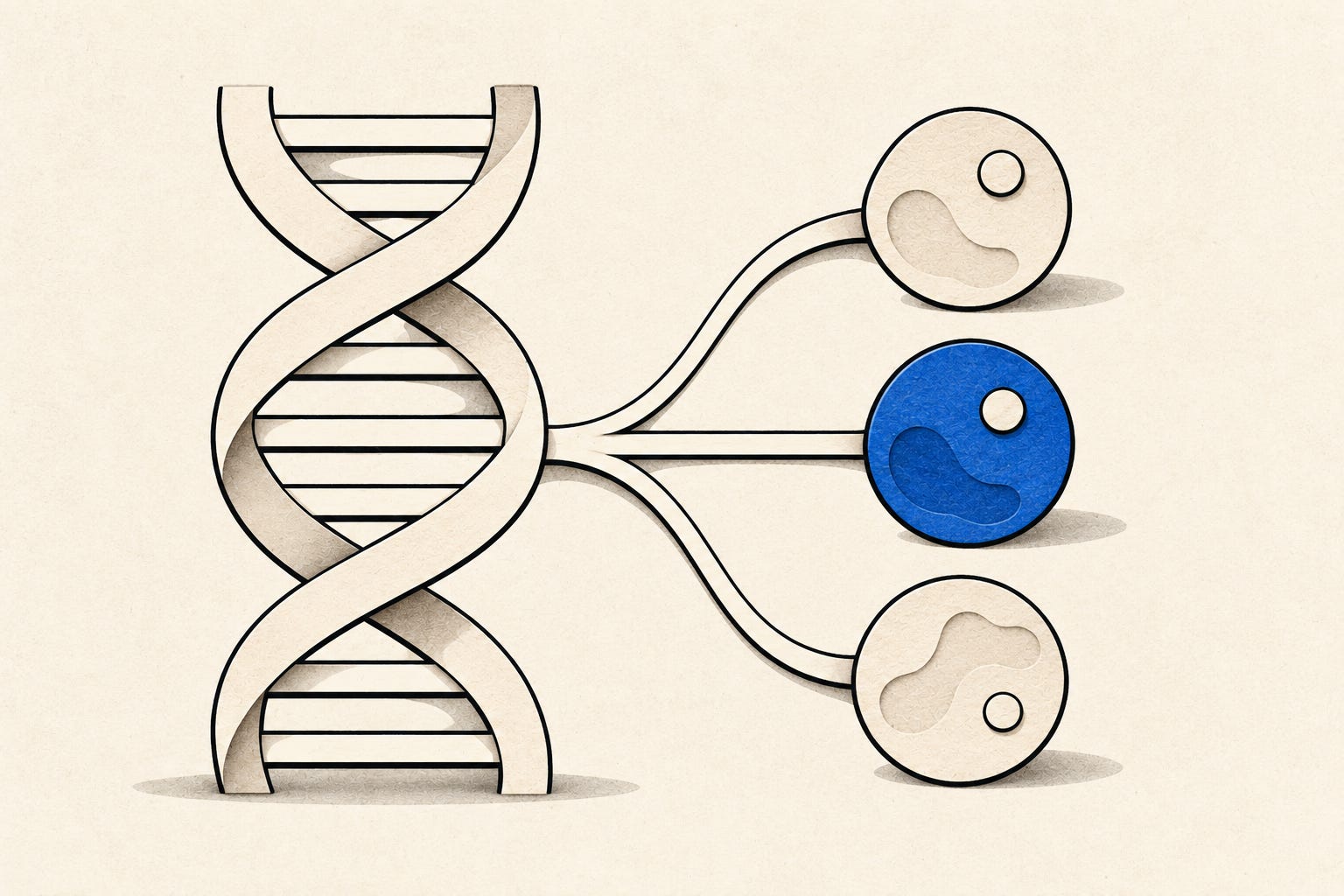
That’s useful because scientists often know a DNA change is linked to a disease without knowing which cells it matters in. Cells largely share the same genetic instructions but read them differently, so one change can affect a gene in one kind of cell and not another.
DeepMind tested the model against an earlier study of inflammatory bowel disease. That study found a DNA change in a stretch that sits apart from a gene but controls how active it is. The change made that gene too active in one type of gut immune cell, but not in every cell. AlphaGenome2’s prediction matched that result.
Researchers can use it for noncommercial research, with commercial access in private preview. A scientist with a disease-linked DNA change could use its predictions to choose which cell type to test in the lab first. DeepMind’s announcement
Get email summaries by talking to Gemini on CarPlay
If you use Gemini on an iPhone and have connected Gmail, you can now ask Gemini Live to summarize a long email thread from your car’s CarPlay display, then talk through how you might reply. If Calendar is connected, it can also check your schedule. It can help you get ready for a meeting, too. You can pick up an earlier conversation, and cut in or change the subject the way you would with someone in the passenger seat.
Google is rolling it out globally in the languages Live supports. To use it, you need the latest Gemini app, microphone permission, and to have used Live on your phone at least once. You can also turn on a Daily Brief separately, though that and some other personalized features aren’t available to users under 18 or in the EEA or Nigeria.
When you park, the conversation is still in your Gemini history on your phone, so the reply you were working out is there to finish. Google’s announcement