

Give an AI assistant your bank login, and big banks say the losses are yours
More big US banks are telling customers that if they give their banking login to an outside AI assistant, anything that assistant does is on them, even if it gets hacked. TechCrunch reported Wednesday that PNC changed its terms that day and Citizens emailed customers a similar warning. JPMorgan and Bank of America announced similar policies in October.
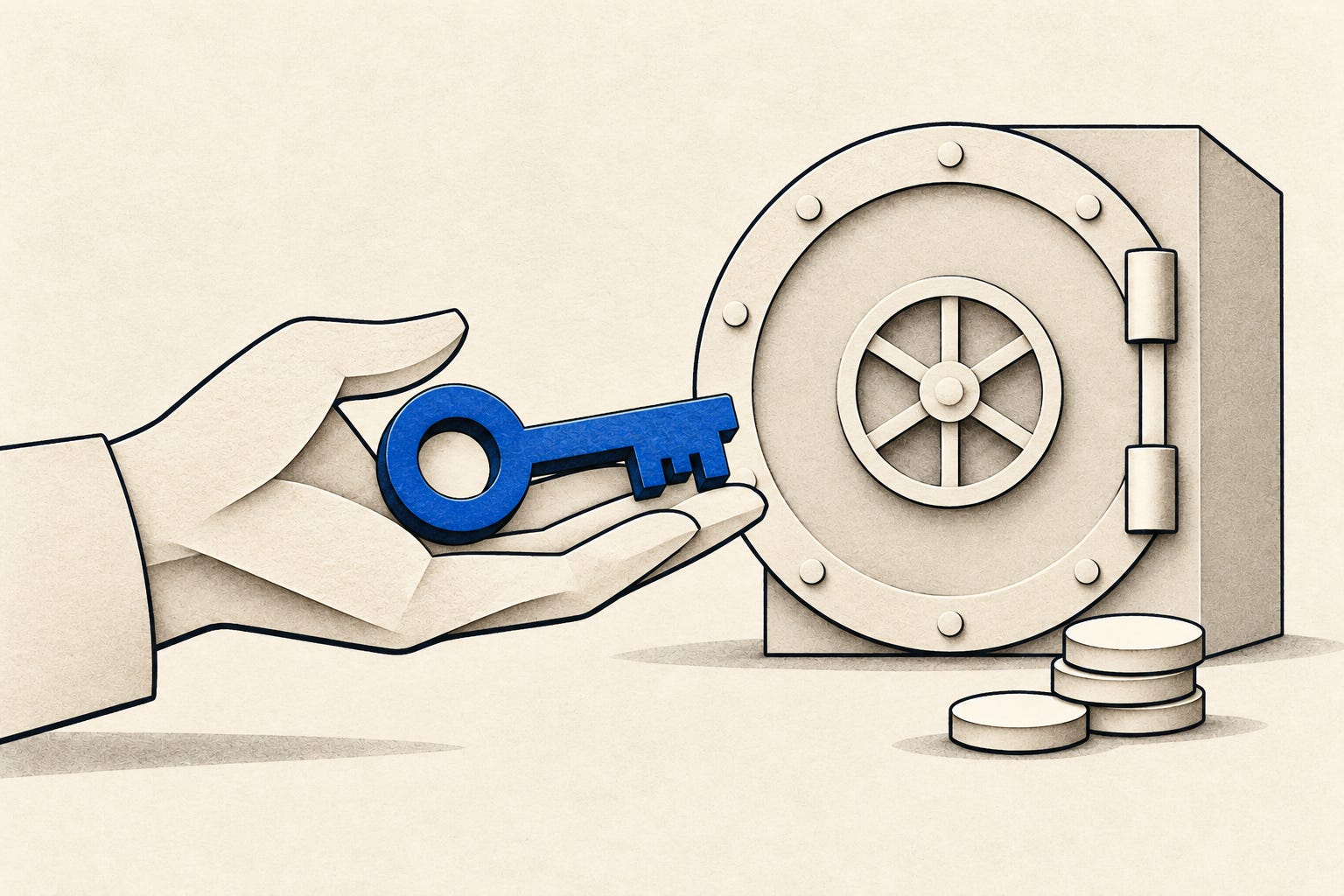
Citi added a new section to its online banking agreement this month. It says that once you give your login to an outside AI agent, Citi treats whatever the agent does as something you authorized. That holds if your login leaks to others, if the agent misunderstands you, or if it goes beyond what you asked. Keeping an eye on the agent is your job, Citi says, not the bank's. AI tools Citi provides are exempt.
If you use an AI assistant to track spending or pay bills, it's safest not to give it your banking password. Citi's terms leave room for the law to override them, so how they'd hold up in a dispute isn't settled.
Meta's AI assistant could read private Signal messages through phone notifications
People use Signal to keep their messages private, because each one is scrambled on its way from one phone to another. A Reuters investigation published Wednesday found that Meta's AI assistant, Muse, could read those messages anyway, without breaking the encryption.
In internal posts Reuters reviewed, one Meta employee said Muse prompted her to reply to a Signal message from her sister. Reuters then tested this with staff from Signal and the AI Now Institute. On an Android phone, Muse pulled message text from notifications, the previews that pop up on your screen. Another employee said Muse had permission to read those by default on Android. On a Mac, it used accessibility and screenshot tools. On an iPhone, the same requests were blocked.
Meta called the examples isolated incidents and said Muse only reaches other apps through permissions people grant. Apple changed its Mac software this week, closing the route Reuters found.
This isn't only about Muse. Any app allowed to read your notifications can see whatever your message previews show, so that permission is worth checking.
New York, Los Angeles and Chicago schools may drop Google Search over its AI answers
Earlier this month, Google said its Search and Gemini AI tools will be off for K-12 student accounts until a school turns them on. The catch is that schools can't get Search without its AI answers, like the AI Overview summaries at the top of results. A school that wants no AI at all has to give up Google Search.
Three of the country's biggest school districts are pushing back. The New York Times reported Wednesday that New York City, Los Angeles and Chicago are looking at other search engines. New York's schools chancellor, Kamar Samuels, said the district will explore other options if Google doesn't reconsider. Chicago told families it wants Search without the AI. Los Angeles has already turned off AI Overviews for students.
Google's position is that Search and its AI are deeply integrated. Los Angeles, at least, says switching would be easy. Its tech chief said the district could change its default search engine "literally overnight." Google's new controls are due early next year, so schools have a few months to decide.